
The arrest of Rev. Michael W. Mohr, a longtime pastor in The Lutheran Church – Missouri Synod (LCMS) and district president, on charges of producing child pornography has sent shockwaves through the Christian community. This devastating news reminds us of the profound responsibility that comes with spiritual leadership and the tragic consequences when that trust is violated.
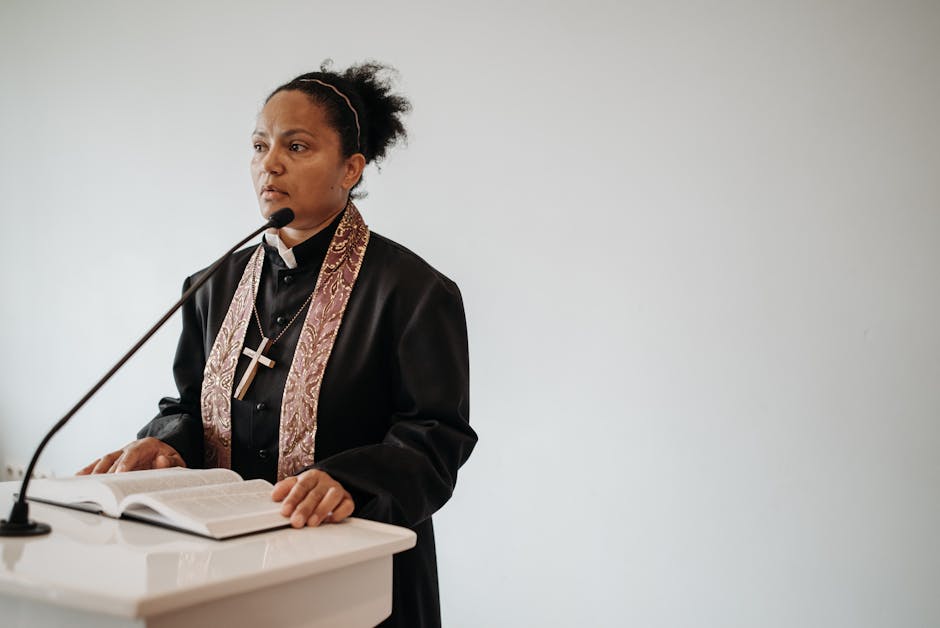
The Weight of Leadership
Church leaders bear a special responsibility before God and their communities. They are entrusted with shepherding God's people, protecting the vulnerable, and representing Christ to the world. When leaders fail morally, the damage extends far beyond their own lives—it affects congregations, families, and the broader witness of die Gemeinde.
"Not many of you should become teachers, my fellow believers, because you know that we who teach will be judged more strictly." - James 3:1
Confronting Uncomfortable Truths
Cases like this force us to confront uncomfortable realities about human nature and die Gemeinde. Even those called to ministry are fallen human beings capable of grievous sin. This doesn't excuse such behavior—it emphasizes our desperate need for accountability, transparency, and the transforming power of God's die Gnade.
The church must resist both extremes: naive trust that ignores red flags and cynical suspicion that destroys healthy relationships. We need wisdom to implement safeguards while maintaining the trust necessary for effective ministry.
Protecting the Vulnerable
Perhaps the most heartbreaking aspect of such cases is the harm done to children and families. The church has a sacred duty to protect the most vulnerable members of society. This requires robust child protection policies, thorough background checks, and creating environments where concerns can be raised without fear.
"If anyone causes one of these little ones—those who believe in me—to stumble, it would be better for them to have a large millstone hung around their neck and to be drowned in the depths of the sea." - Matthew 18:6
The Path of Justice
When crimes are committed, die Gemeinde must support the full process of legal justice. This means cooperating with law enforcement, supporting victims, and ensuring that those who have caused harm are held accountable. Protecting the institution should never take precedence over protecting victims or ensuring justice is served.
Justice and mercy are not in opposition—they work together. True mercy requires that wrongdoing be acknowledged, addressed, and that steps be taken to prevent future harm. Cheap die Gnade that ignores justice ultimately helps no one.
Caring for the Wounded
In the aftermath of such revelations, many people are left wounded and confused. Congregation members feel betrayed, families question their judgment, and some may even question their der Glaube. The church must respond with compassion, honesty, and pastoral care for all who are affected.
This includes providing professional counseling resources, creating safe spaces for people to process their emotions, and being transparent about what happened and what changes are being implemented to prevent future incidents.
"Carry each other's burdens, and in this way you will fulfill the law of Christ." - Galatians 6:2
Rebuilding Trust and Moving Forward
Rebuilding trust after such a betrayal is a long and difficult process. It requires consistent commitment to transparency, accountability, and genuine change. Churches must demonstrate through their actions—not just their words—that they take seriously their responsibility to protect and serve their communities.
This might involve bringing in outside oversight, implementing new policies and procedures, and regularly reviewing safeguards to ensure they remain effective. The goal is not just to return to "normal" but to create a healthier, safer environment for everyone.
The Gospel in the Darkness
Even in the darkest moments, the gospel offers hope—not cheap hope that ignores pain and injustice, but real hope that acknowledges the depth of human sinfulness while proclaiming the greater power of God's die Gnade. The church's response to moral failure becomes an opportunity to demonstrate the difference between worldly institutions and the body of Christ.
This means being more committed to truth than reputation, more concerned with protecting victims than protecting leaders, and more focused on justice than convenience.
"But where sin increased, grace increased all the more." - Romans 5:20
Learning and Prevention
Every instance of moral failure in leadership should prompt serious reflection about prevention. This includes examining our selection and training processes for leaders, our accountability structures, and our willingness to address concerning behavior before it escalates.
The church must be a place where people can grow in holiness, but it must also be realistic about human frailty and the need for ongoing accountability. We serve a God of both die Gnade and truth, and our institutions should reflect both qualities.
A Call to Vigilance and Hope
As we process this tragic situation, müssen wir commit ourselves to vigilance in protecting the vulnerable while maintaining hope in God's ability to bring healing and restoration. The church is not perfect because it is made up of imperfect people, but it serves a perfect Savior who calls us to higher standards.
May this difficult moment prompt renewed commitment to integrity, accountability, and the protection of all whom God has entrusted to our care.


Comentarios