
Across the globe, historic churches stand as testaments to faith, craftsmanship, and community. Yet many face an uncertain future. In Manchester, a Victorian-era church with a 600-seat capacity has been nominated for an international at-risk list, prompting urgent conversations about the role of these buildings in modern faith life. While the challenges are real, they also invite us to reflect on how we steward the spaces where generations have gathered to worship.
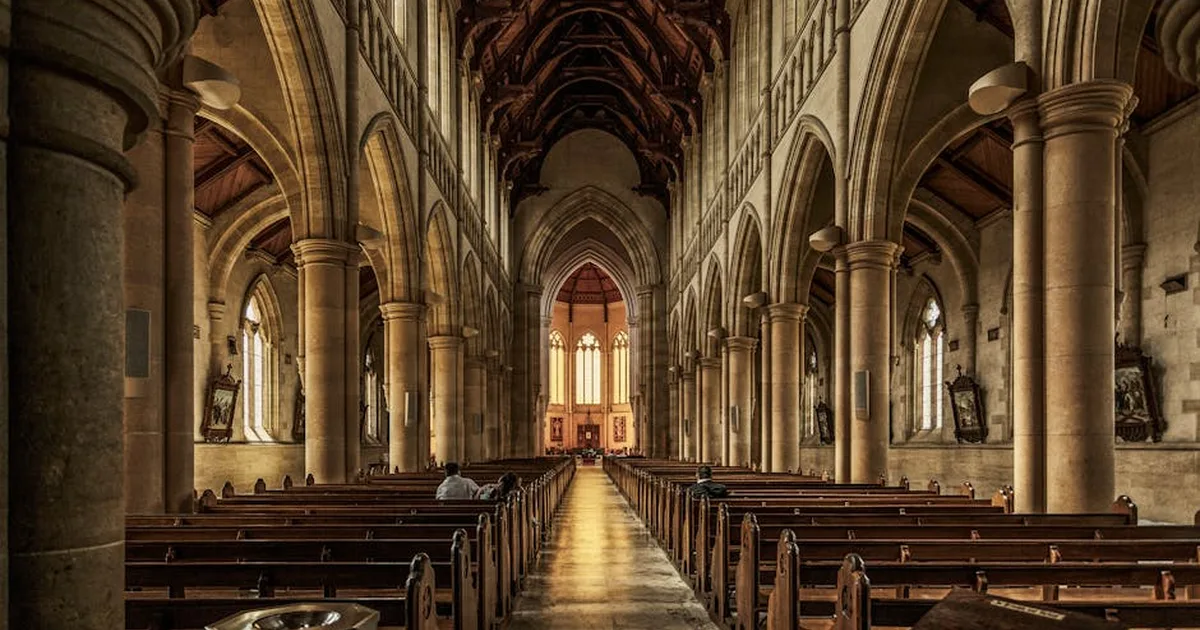
The church in question, a striking example of Victorian architecture, served its community for over a century. Now, with shifting demographics and rising maintenance costs, its future hangs in the balance. Heritage groups have stepped in, urging the diocese to explore alternatives to demolition. This story is not unique—many congregations face similar dilemmas. But it raises important questions for every Christian: What value do we place on our physical places of worship? And how can we balance tradition with the practical needs of today?
The Spiritual Significance of Sacred Spaces
Scripture reminds us that God's presence is not confined to buildings. Jesus told the Samaritan woman, “the hour is coming when neither on this mountain nor in Jerusalem will you worship the Father” (John 4:21, ESV). Yet throughout the Bible, physical spaces hold deep meaning. The tabernacle, the temple, and later the early church gatherings in homes all served as focal points for community and encounter with God.
Historic churches often carry layers of prayer, memory, and identity. They are not just structures but living stones that tell the story of a faith community. When we preserve them, we honor the generations who built them and the God they worshiped. At the same time, we must ask how these spaces can continue to serve God's mission today.
Practical Steps for Preservation
If your church faces similar challenges, here are some approaches that can help:
Engage the Broader Community
Historic churches are often landmarks that matter beyond the congregation. Partnering with local heritage groups, historical societies, and even local government can open doors to grants, expertise, and advocacy. In Manchester, organizations like Friends of Friendless Churches have stepped forward—proof that many people care about these buildings.
Explore Creative Reuse
Some churches have found new life by sharing their space with community groups, hosting concerts, art exhibits, or even co-working spaces during the week. This can generate income while keeping the building active and relevant. The key is to maintain the sanctity of worship spaces while opening doors to the neighborhood.
Prioritize Essential Repairs
Not every problem needs to be solved at once. A phased approach to maintenance—starting with the roof, foundation, or other critical areas—can prevent small issues from becoming crises. Many denominations offer resources or loans for preservation.
Biblical Wisdom for Stewardship
The Bible offers rich guidance on caring for what God has entrusted to us. In the parable of the talents (Matthew 25:14-30), Jesus commends those who invest and grow what they have been given. Our church buildings are a form of inheritance—not just of brick and mortar, but of spiritual legacy.
Paul also reminds us, “For we are God’s fellow workers. You are God’s field, God’s building” (1 Corinthians 3:9, ESV). This dual image of field and building suggests that our physical spaces, like our spiritual lives, require cultivation and care. A neglected building can hinder ministry, while a well-maintained one can be a powerful tool for outreach.
Hope for the Future
The story of the Manchester church is still being written. While the outcome is uncertain, the conversation it has sparked is valuable. It reminds us that our faith is not disconnected from the material world. God created matter and called it good. Our churches, made by human hands, can be vessels for divine purpose.
As you consider your own congregation's facilities, take heart. God is not limited by our circumstances. Whether you worship in a grand cathedral or a simple storefront, the church is the people, not the building. Yet the building can be a gift—a tool for ministry, a witness in the community, and a reminder of God's faithfulness through the years.
Reflection and Action
Take a moment to reflect on your own church building. What stories does it hold? How might it be used to bless your community in new ways? Consider writing a note of appreciation to those who maintain your church, or start a conversation about its future. Every act of stewardship, no matter how small, honors the God who gives us all good gifts.




Comentarios