
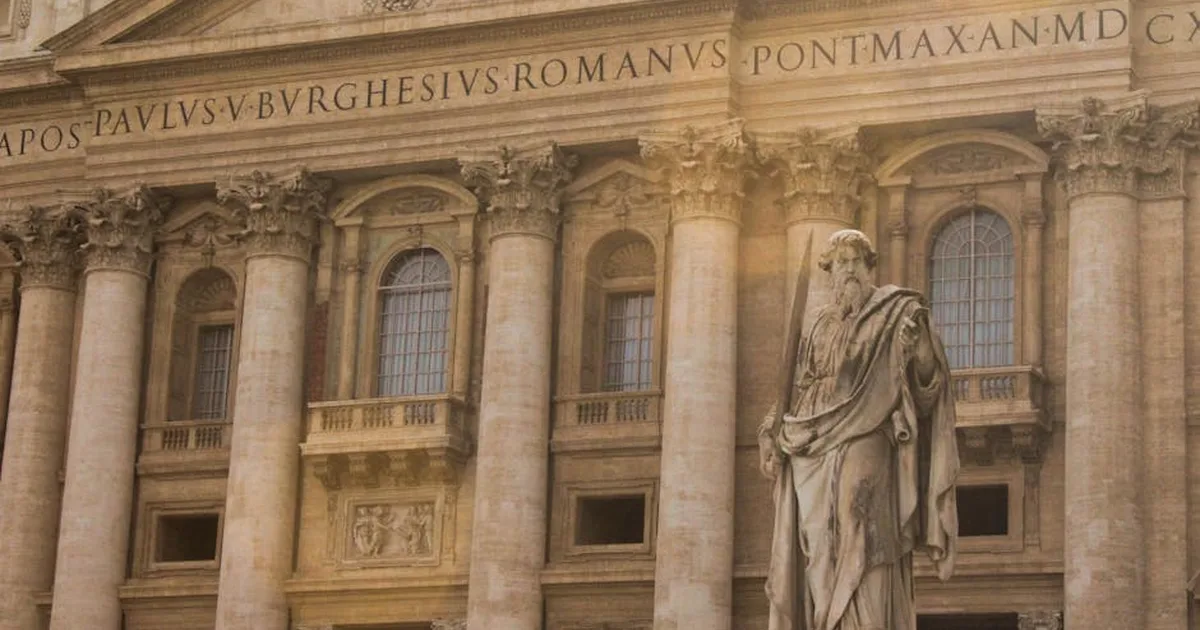
In a move that reflects the Church's ongoing engagement with modern technology, Pope Leo XIV has authorized the creation of an Interdicasterial Commission on Artificial Intelligence. The decision, formalized in a rescript released on May 16, signals a commitment to addressing the profound ethical questions raised by AI from a Christian perspective. The commission will be overseen by Cardinal Michael Czerny, prefect of the Dicastery for Promoting Integral Human Development, ensuring that human dignity remains at the center of these discussions.
This initiative comes at a time when artificial intelligence is rapidly transforming every aspect of society—from healthcare and education to communication and work. For Christians, these developments invite both excitement and caution. As we embrace tools that can enhance human flourishing, we must also remain vigilant about the risks they pose to privacy, justice, and the common good.
The commission's creation is not an isolated event but part of a broader tradition of Catholic social teaching that has consistently emphasized the importance of technology serving humanity, not the other way around. By bringing together experts from various dicasteries, the Vatican aims to create a holistic framework that considers theological, ethical, legal, and social dimensions.
Why the Church Is Engaging with AI
Some might wonder why a religious institution would involve itself in a field often associated with engineering and computer science. The answer lies in the Church's mission to care for the whole person. Artificial intelligence is not just a technical tool; it shapes how we understand ourselves, relate to one another, and make decisions that affect human lives.
Scripture reminds us that we are created in the image of God (Genesis 1:27), endowed with reason and free will. As we develop machines that can mimic human cognition, we must ensure that these creations honor the dignity of their human creators. The Bible also calls us to love our neighbors and seek justice for the vulnerable (Micah 6:8). AI systems that make biased decisions or exploit the poor contradict this calling.
Pope Leo's commission builds on the work of his predecessors. Pope Francis had already warned about the dangers of algorithmic discrimination and the need for ethical guidelines in his 2020 encyclical Fratelli Tutti. The new commission will translate these principles into concrete recommendations for policymakers, businesses, and individuals.
Key Areas of Focus
The commission's work will likely address several critical areas. First, it will explore how AI can be used to promote integral human development—improving access to education, healthcare, and economic opportunity, especially for marginalized communities. Second, it will examine the ethical implications of autonomous systems, from self-driving cars to military drones, ensuring that human accountability is never replaced by machine decisions.
Another priority is the protection of privacy and data rights. In an age where personal information is constantly collected and analyzed, Christians are called to respect the dignity of each person, which includes safeguarding their private lives. The commission will also consider the impact of AI on work and employment, advocating for policies that support workers displaced by automation.
Finally, the commission will engage with the broader cultural narrative around AI, challenging the technocratic mindset that sees technology as a solution to all problems. Instead, it will promote a vision of technology that is servant to humanity, guided by love and solidarity.
Biblical Wisdom for a Technological Age
The Bible does not mention artificial intelligence, but it offers timeless principles that can guide our engagement with it. One such principle is stewardship. In Genesis 2:15, God places Adam in the garden to work it and keep it. This responsibility extends to the tools we create—we are called to use them wisely and care for the world and each other.
Another relevant theme is the distinction between the Creator and the created. While AI can perform remarkable tasks, it remains a human artifact, not a being with a soul or moral agency. As Psalm 135:15-18 warns, idols are made by human hands and have no real power. We must not place our trust in technology as if it were divine.
Perhaps most importantly, the Bible calls us to love God and neighbor (Mark 12:30-31). This love must inform every aspect of our lives, including how we design and deploy AI. Are our algorithms promoting unity or division? Are they serving the common good or merely increasing profits for a few?
"For you were called to freedom, brothers. Only do not use your freedom as an opportunity for the flesh, but through love serve one another." — Galatians 5:13 (ESV)
This verse reminds us that our technological freedoms must be exercised in service to others, not for selfish ends. The commission's work will help ensure that AI serves love, not greed.
What This Means for Everyday Christians
As people of faith, we are not merely passive observers of technological change. We have a role to play in shaping a future that honors God and respects human dignity. The creation of this commission is an invitation for all Christians to become more informed about AI and to advocate for ethical practices in our communities and workplaces.
Here are a few practical steps you can take: First, educate yourself about the AI tools you use daily—from social media algorithms to smart home devices. Consider how they affect your privacy, your relationships, and your attention. Second, support organizations and policies that promote ethical AI, such as those that require transparency in algorithms and protect vulnerable populations from discrimination.
Third, pray for wisdom for the members of this commission and for all leaders who make decisions about technology. Ask God to guide them in discerning what is just and good. Finally, engage in conversations with your church community about these issues. Share your concerns and hopes, and listen to the perspectives of others.
As we navigate this new frontier, let us hold fast to the words of Proverbs 3:5-6: "Trust in the Lord with all your heart, and do not lean on your own understanding. In all your ways acknowledge him, and he will make straight your paths." Our ultimate trust is not in machines but in the God who created us and redeems us.
Reflection: A Question for You
As you go about your day, consider the role artificial intelligence plays in your life. How might you use technology in a way that reflects Christ's love? Is there an area where you can exercise greater wisdom or compassion? The Vatican's new commission reminds us that these questions matter not only for experts but for every person who seeks to live faithfully in a rapidly changing world.




Comentarios