
The landscape of Christianity is undergoing a profound transformation. As we stand at the threshold of the next two decades, traditional churches face unprecedented challenges that will determine their survival and relevance in an increasingly secular world. Yet, within these challenges lie opportunities for renewal, growth, and a deeper connection to the timeless truths of Scripture.
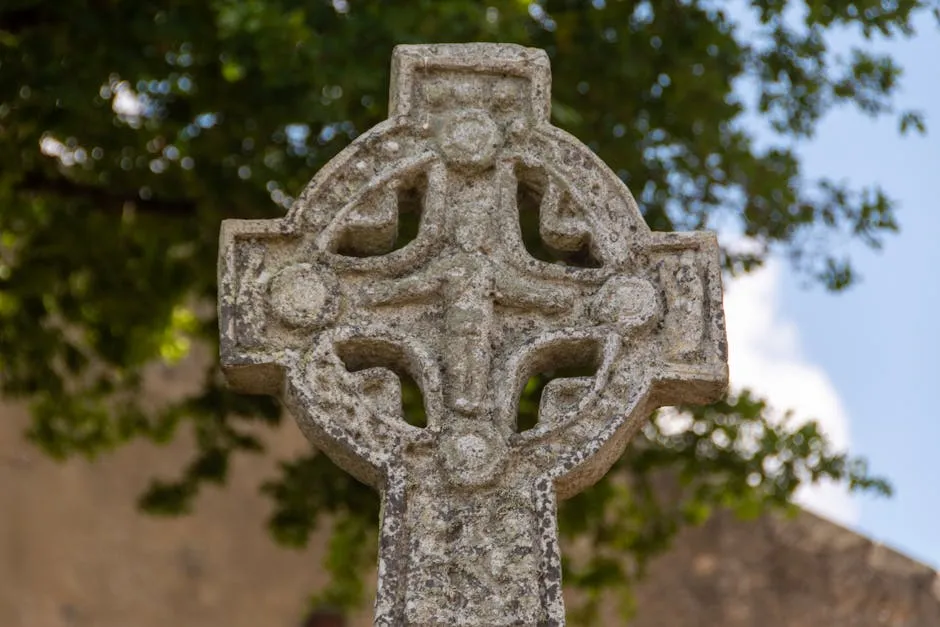
The Current Reality: A Church at the Crossroads
Research indicates that traditional churches are indeed at a critical juncture. Declining membership, aging congregations, and cultural shifts have created a perfect storm that threatens the very foundations of institutional Christianity. However, as the apostle Paul reminded the Corinthians, "God chose the foolish things of the world to shame the wise; God chose the weak things of the world to shame the strong" (1 Corinthians 1:27). The apparent weakness of traditional churches may become their greatest strength.
"For my thoughts are not your thoughts, neither are your ways my ways," declares the Lord. "As the heavens are higher than the earth, so are my ways higher than your ways and my thoughts than your thoughts." - Isaiah 55:8-9
Challenges Facing Traditional Churches
The obstacles before traditional churches are real and significant. Younger generations are increasingly disconnected from institutional religion, viewing it as irrelevant or outdated. The rapid pace of technological change has transformed how people communicate, learn, and form communities. Traditional worship styles, governance structures, and theological approaches often struggle to resonate with contemporary culture.
Furthermore, scandals and controversies have eroded trust in religious institutions. The rise of the "nones"—those who claim no religious affiliation—represents a growing demographic that traditional churches must learn to reach. Financial pressures, building maintenance costs, and the challenge of attracting and retaining qualified clergy compound these difficulties.
The Path to Renewal and Survival
Yet, the story of the church throughout history is one of resurrection and renewal. Jesus himself declared, "I will build my church, and the gates of Hades will not overcome it" (Matthew 16:18). This promise provides the foundation for hope and action in uncertain times.
Traditional churches that will thrive in the next twenty years will be those that embrace both continuity and change. They will maintain their commitment to biblical truth while adapting their methods of ministry to reach new generations. This requires a careful balance between preserving essential doctrines and innovating in areas of worship, community engagement, and discipleship.
Innovation Within Tradition
Successful traditional churches are already demonstrating that innovation and tradition can coexist beautifully. They are incorporating modern technology into worship while maintaining reverent liturgy. They are addressing contemporary social issues through the lens of Scripture while upholding timeless moral principles. They are creating intergenerational communities that honor both the wisdom of age and the energy of youth.
As King Solomon wrote in Ecclesiastes 3:1, "There is a time for everything, and a season for every activity under the heavens." This season calls for traditional churches to discern what must be preserved and what must be transformed.
The Role of Leadership and Vision
The survival of traditional churches will largely depend on visionary leadership that can navigate the tension between tradition and innovation. Leaders must be rooted in Scripture yet culturally aware, committed to orthodoxy yet flexible in methodology. They must be able to communicate ancient truths in contemporary language and create environments where people of all generations can encounter God.
"Be very careful, then, how you live—not as unwise but as wise, making the most of every opportunity, because the days are evil." - Ephesians 5:15-16
Community and Authentic Relationships
In an age of digital connection and social isolation, traditional churches possess a unique advantage: the gift of authentic community. The early church thrived not because of sophisticated programs or impressive buildings, but because "they devoted themselves to the apostles' teaching and to fellowship, to the breaking of bread and to prayer" (Acts 2:42).
Churches that prioritize genuine relationships, mutual care, and shared mission will find themselves naturally attractive to people hungry for authentic community. This doesn't require abandoning tradition; it requires living it out more fully and invitingly.
A Foundation Built on the Rock
Ultimately, the survival of traditional churches rests not on human strategies or cultural adaptations, but on their faithfulness to Christ. As Jesus taught in the parable of the wise and foolish builders, "Everyone who hears these words of mine and puts them into practice is like a wise man who built his house on the rock" (Matthew 7:24).
The next twenty years will test the foundations of every church. Those built on the solid rock of Christ's teachings, characterized by love, grace, and truth, will weather any storm. Those that compromise their foundational beliefs in pursuit of cultural relevance may find themselves swept away by the very currents they sought to navigate.
Hope for the Future
The question is not whether traditional churches can survive the next twenty years—it is whether they will remain faithful to their calling while embracing the opportunities before them. History shows us that the church has faced and overcome greater challenges than those it faces today. The same Holy Spirit who empowered the early church continues to work in and through faithful communities today.
As we look to the future, let us remember the words of Jeremiah: "For I know the plans I have for you," declares the Lord, "plans to prosper you and not to harm you, to give you hope and a future" (Jeremiah 29:11). The future of traditional churches is not predetermined by cultural trends or demographic shifts, but by their faithfulness to the One who calls them to be salt and light in the world.


Comentários