
Throughout Scripture, God calls His people to be voices for justice, defenders of the oppressed, and advocates for those whose dignity is under attack. This calling extends beyond personal piety to include active engagement with social issues that affect the welfare and worth of human beings.
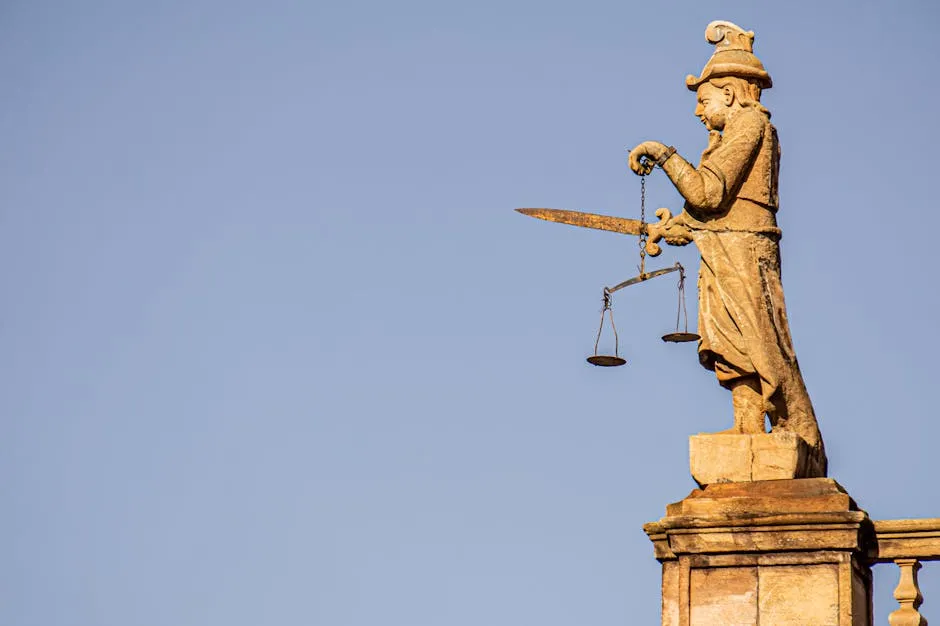
The prophet Micah summarized this responsibility clearly: "He has shown you, O mortal, what is good. And what does the Lord require of you? To act justly and to love mercy and to walk humbly with your God" (Micah 6:8). Justice isn't optional for believers—it's a fundamental aspect of following Christ.
Understanding Human Dignity
At the foundation of Christian engagement with justice issues lies the truth that every human being is created in the image of God (Genesis 1:27). This divine image grants inherent dignity and worth to all people, regardless of their nationality, ethnicity, economic status, or political affiliation.
When this dignity is threatened or denied—whether through discrimination, prejudice, or dehumanizing language—Christians have a responsibility to speak up. Our defense of human dignity reflects our love for God and our commitment to His values.
"Speak up for those who cannot speak for themselves, for the rights of all who are destitute. Speak up and judge fairly; defend the rights of the poor and needy." - Proverbs 31:8-9
The Courage to Speak Difficult Truths
Speaking up for justice often requires challenging popular opinions, confronting powerful institutions, or addressing uncomfortable truths within our own communities. This takes moral courage and a willingness to face criticism or pushback.
Jesus demonstrated this courage throughout His ministry, confronting religious leaders about their treatment of the poor, challenging social norms that marginalized women and minorities, and speaking truth even when it was unpopular or dangerous.
Justice and the Church's Witness
The church's credibility in sharing the gospel is directly connected to our commitment to justice and equality. When we ignore injustice or fail to defend human dignity, our message about God's love becomes less convincing to a watching world.
Conversely, when Christians consistently defend the vulnerable and stand against discrimination, our witness gains power and authenticity. People see that our faith produces real change in how we treat others.
Navigating Complex Cultural Issues
Many justice issues intersect with complex cultural, political, and social dynamics that require careful discernment. Christians must learn to distinguish between partisan politics and moral principles, addressing the latter while maintaining appropriate boundaries regarding the former.
This requires wisdom, humility, and a commitment to listening before speaking. We must understand the experiences and perspectives of those who are affected by injustice before presuming to address their situations.
The Power of Platform and Influence
Christians who have public platforms—whether through entertainment, business, ministry, or social media—bear special responsibility for how they use their influence. With greater visibility comes greater opportunity to impact important conversations about justice and dignity.
This doesn't mean every public figure must address every issue, but it does mean considering how their platform can be used constructively to promote truth, justice, and human dignity when appropriate opportunities arise.
"From everyone who has been given much, much will be demanded; and from the one who has been entrusted with much, much more will be asked." - Luke 12:48
Unity Across Diversity
The gospel creates unity among believers from every nation, tribe, and tongue (Revelation 7:9). This unity doesn't erase cultural distinctives but celebrates them while affirming our common identity in Christ.
Churches and Christian organizations should reflect this kingdom diversity and actively work to include and value people from different backgrounds. This inclusion strengthens our communities while demonstrating God's heart for all peoples.
The Role of Lament and Grief
When injustice occurs, appropriate responses include lament, grief, and sorrow over the pain caused to God's image bearers. The Bible is filled with examples of righteous anger and sorrow over injustice.
These emotions should motivate action rather than paralysis. Grief over injustice can fuel commitment to change, while anger at discrimination can drive efforts to promote equality and understanding.
Building Bridges Across Divides
Effective advocacy for justice often involves building relationships across cultural, political, and social divides. This requires humility, patience, and a willingness to listen to perspectives different from our own.
Christians can play unique roles as bridge-builders because our ultimate loyalty is to Christ rather than to political parties or social movements. This freedom allows us to work with diverse coalitions while maintaining our distinctly Christian values.
Education and Understanding
Many justice issues stem from ignorance or misunderstanding rather than malicious intent. Christians can contribute to justice by educating themselves and others about different cultures, histories, and experiences.
This education should lead to empathy and understanding that motivates positive action. When we understand others' experiences and challenges, we become more effective advocates for their welfare and dignity.
Long-term Commitment to Change
Justice work requires long-term commitment rather than short-term activism. Changing hearts, minds, and systems takes time, patience, and persistent effort over years or even decades.
Christians engaged in justice work must balance urgency about addressing immediate needs with patience for the long-term transformation process. This perspective helps sustain motivation during setbacks and slow progress.
Hope in the Midst of Struggle
Ultimately, our engagement with justice issues rests on hope in God's ultimate plan to make all things new (Revelation 21:5). While we work for justice in this world, our ultimate hope lies in the coming kingdom where righteousness will reign perfectly.
"But let justice roll on like a river, righteousness like a never-failing stream!" - Amos 5:24
This hope sustains us through difficult battles for justice while reminding us that our efforts, however imperfect, contribute to God's ongoing work of restoration and redemption in the world.



Commentaires