
John James, co-founder of the internationally acclaimed Christian rock band Newsboys, recently opened up about a devastating period in his life when he "lost everything." In candid interviews surrounding the release of his new book and music, James shares how fame, success, and personal struggles led him to a place of brokenness that ultimately became the foundation for God's redemptive work in his life.

The Newsboys, formed in the 1980s, became one of the most influential Christian rock bands of their generation, selling millions of albums and inspiring countless fans worldwide. However, behind the stage lights and sold-out concerts, James was fighting personal battles that would eventually cost him his place in the band and nearly destroy his life.
The Painful Season of Loss
James' story is a sobering reminder that spiritual success doesn't automatically translate to personal wholeness. Despite being part of a ministry that touched millions of lives, he found himself struggling with issues that led to his departure from the band and a period of profound personal loss.
"He heals the brokenhearted and binds up their wounds." - Psalm 147:3
"I lost everything," James reflects, describing a time when his career, relationships, and sense of identity crumbled around him. This season of brokenness, while devastating, became the catalyst for a deeper understanding of God's grace and the power of redemption.
The biblical narrative is filled with stories of God's servants who experienced seasons of profound loss and failure. David's adultery and murder, Peter's denial of Christ, and Solomon's drift into idolatry all demonstrate that even those called to serve God are susceptible to moral and spiritual failure.
Rediscovering God's Grace
James' journey back to wholeness wasn't quick or easy. Like the prodigal son in Luke 15, he had to come to terms with the consequences of his choices while simultaneously discovering the depths of his Father's love and forgiveness.
In his new book, James writes about the process of rebuilding his relationship with God, his family, and his calling. This involved honest self-examination, genuine repentance, and the humbling process of learning to receive grace for failures that seemed unforgivable.
"The sacrifice you desire is a broken spirit. You will not reject a broken and repentant heart, O God," reads Psalm 51:17. David's words, written after his own moral failure, became a lifeline for James as he navigated the difficult path of restoration.
The Role of the Local Church
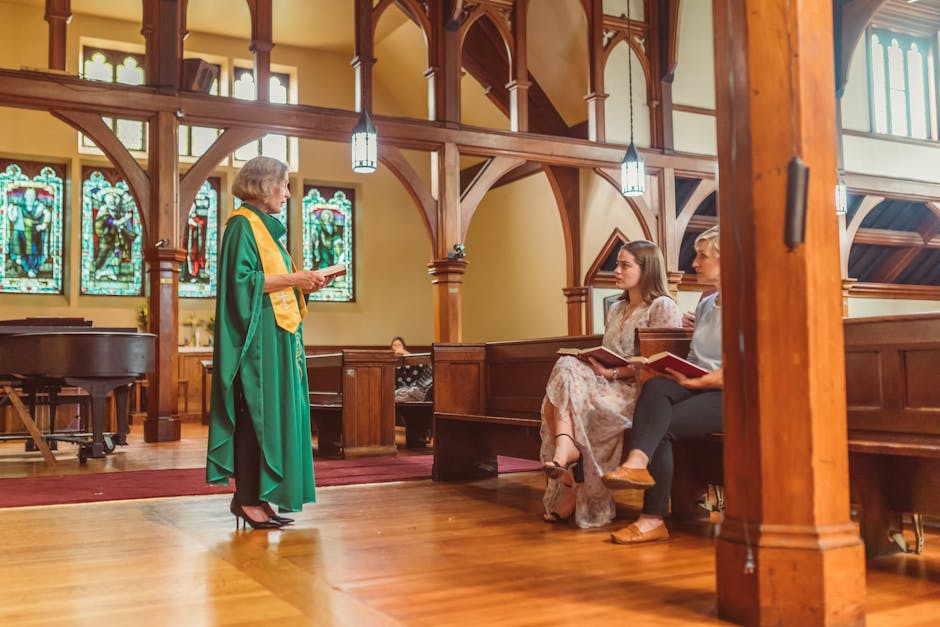
One of the key elements in James' redemption story has been his renewed appreciation for the local church. Having experienced the isolating effects of fame and ministry platform, he discovered the irreplaceable value of authentic Christian community grounded in mutual accountability and genuine relationships.
"The local church isn't just about Sunday morning services," James explains. "It's about being known, being loved despite your failures, and having people who will walk with you through the darkest seasons." This understanding represents a significant shift from the performance-oriented Christianity that often characterizes celebrity ministry.
The New Testament consistently emphasizes the importance of authentic Christian community. Hebrews 10:24-25 encourages believers to "consider how we may spur one another on toward love and good deeds, not giving up meeting together, as some are in the habit of doing, but encouraging one another."
New Music, New Message
James' new musical projects reflect his transformed understanding of faith and ministry. Rather than simply creating uplifting anthems, his recent work explores themes of brokenness, redemption, and the often messy reality of Christian life.
This shift represents a broader movement within Christian music toward greater authenticity and vulnerability. Artists are increasingly willing to address mental health struggles, relationship failures, and spiritual doubts—topics that were once considered too risky for Christian radio.
"My music used to be about inspiring people to be better Christians," James reflects. "Now it's about pointing people to a God who loves us in our brokenness and works through our failures to accomplish His purposes."
Addressing the Michael Tait Situation
James' story inevitably intersects with the ongoing leadership of Newsboys under Michael Tait. Rather than harboring bitterness or resentment about his departure from the band, James has chosen a path of grace and reconciliation.
"Michael is a good man who's doing excellent work with the band," James states. "My departure wasn't about personality conflicts or creative differences—it was about my own struggles and failures. I'm grateful that God has continued to use Newsboys to impact lives for His kingdom."
This gracious response reflects the biblical principle found in Romans 12:18: "If it is possible, as far as it depends on you, live at peace with everyone." James' willingness to bless those who continued the ministry he helped create demonstrates genuine spiritual maturity and freedom from bitterness.
Lessons for Ministry Leaders
James' story offers valuable lessons for anyone in Christian ministry. The pressure to maintain a perfect image, the isolation that often accompanies leadership, and the temptation to find identity in ministry success rather than in Christ's love are common struggles that need ongoing attention.
"Ministry can become an idol just like anything else," James warns. "When your sense of worth depends on how many people show up to your concerts or how many albums you sell, you've lost sight of the gospel."
Paul's words in 2 Corinthians 4:7 provide important perspective: "But we have this treasure in jars of clay to show that this all-surpassing power is from God and not from us." Acknowledging our fragility and dependence on God's grace helps guard against the pride that often precedes a fall.
The Ongoing Journey
James is careful to emphasize that his story of redemption doesn't have a neat, Hollywood ending. Recovery from major life failures is an ongoing process that requires continued vigilance, accountability, and dependence on God's grace.
"I'm not the same person I was during my Newsboys years, but I'm also not a completely different person," he explains. "I'm still capable of making mistakes, still need God's grace daily, and still learning what it means to follow Jesus authentically."
"Therefore, if anyone is in Christ, the new creation has come: The old has gone, the new is here!" - 2 Corinthians 5:17
This ongoing nature of transformation reflects the biblical understanding of sanctification as a lifelong process rather than a one-time event. James' willingness to live transparently about his continued need for grace provides hope for others who struggle with failure and shame.
A Message of Hope
Perhaps the most powerful aspect of James' story is its demonstration that no failure is beyond God's redemptive power. In a culture that often writes people off after major moral failures, his journey back to ministry and wholeness offers hope to countless others who feel disqualified from God's purposes.
"God doesn't waste our pain," James concludes. "He uses our failures, our brokenness, and our worst moments to demonstrate His grace and to help others who are struggling with similar issues. That's the beauty of the gospel—it's not about perfect people but about a perfect Savior who loves imperfect people."
As James continues his journey of ministry and music, his story serves as a powerful reminder that God's grace is greater than our greatest failures and that redemption is always possible for those who turn to Him in genuine repentance and faith.



Comentarios