
Psalm 23 is perhaps the most beloved passage in all of Scripture. Its words have brought comfort to millions in times of distress, loneliness, and fear. But what does each verse truly mean? In this article, we'll journey through Psalm 23 verse by verse, uncovering the spiritual richness of this beautiful poetry. Get ready to see it with fresh eyes.

Verse 1: The Lord is my shepherd; I shall not want
The psalm begins with a declaration of absolute trust. David, the author, knew the shepherd's trade well. He knew that a good shepherd guides, protects, and provides for his sheep. By saying "The Lord is my shepherd," David acknowledges God as his guide and provider. The second part, "I shall not want," is not a promise of material wealth but of sufficiency in God. It is the certainty that if God is our shepherd, we have everything we truly need.
“The Lord is my shepherd; I shall not want.” (Psalm 23:1, ESV)
Verse 2: He makes me lie down in green pastures
This verse paints a picture of peace and provision. Sheep only lie down when they are safe and satisfied. God leads us to "green pastures," places where our souls find nourishment and rest. He also leads us "beside still waters," a symbol of spiritual refreshment. In the midst of daily busyness, God invites us to stop and drink from his peace.
Verse 3: He restores my soul
God cares not only for our bodies but also for our souls. The word "restores" implies renewing, revitalizing. When we are tired, hurt, or discouraged, he renews our strength. Then it says: "He leads me in paths of righteousness for his name's sake." This means God directs us on the right path, not because we deserve it, but because of his faithfulness and love. His reputation is at stake: he is a God who keeps his promises.
Verse 4: Even though I walk through the valley of the shadow of death
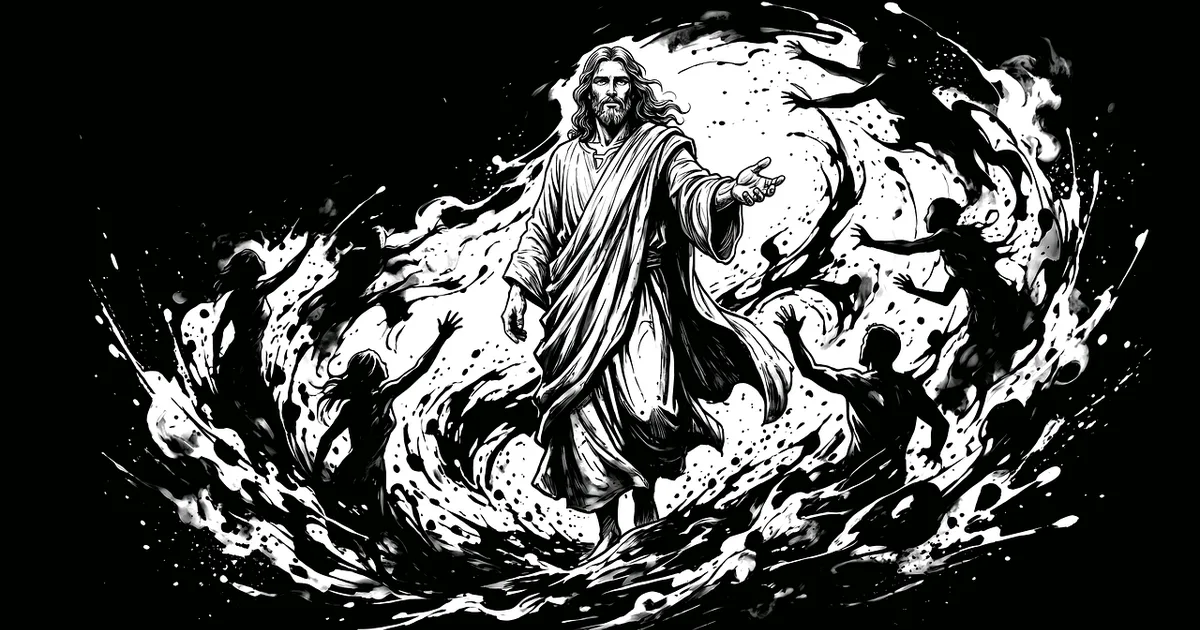
This is one of the most powerful verses. David does not deny the reality of suffering. The "valley of the shadow of death" represents the darkest moments of life: illness, loss, fear. But David says "I will fear no evil, for you are with me." The key is not the absence of danger, but the presence of God. His rod and staff (tools of the shepherd to guide and protect) give us confidence.
Verse 5: You prepare a table before me in the presence of my enemies
Here the imagery shifts from shepherd to host. In the midst of adversity, God prepares a bountiful table. Anointing the head with oil was a sign of honor and welcome in ancient culture. The overflowing cup symbolizes abundant blessings. God not only sustains us, but honors us and fills us with joy, even when our enemies watch.
Verse 6: Surely goodness and mercy shall follow me all the days of my life
The psalm ends on a note of hope. "Goodness and mercy" are like two companions that pursue us (the Hebrew word implies "pursue") throughout our lives. Not only in good times, but every day. And the final goal is "to dwell in the house of the Lord forever," that is, eternal communion with God. It is a promise of a safe home forever.
Practical Application: Living Psalm 23 Today
This psalm is not just for reading, but for living. Here are three ways to apply it in your daily life:
- Trust in God's provision: When you feel anxious about the future, remember that your Shepherd knows your needs. Pray and ask him to lead you to fresh pastures.
- Seek rest in him: In the midst of stress, take time to be still before God. Allow him to restore your soul.
- Do not fear in the valley: When you face difficulties, repeat the promise: "I will fear no evil, for you are with me." Let God's presence be your comfort.



Comentarios