
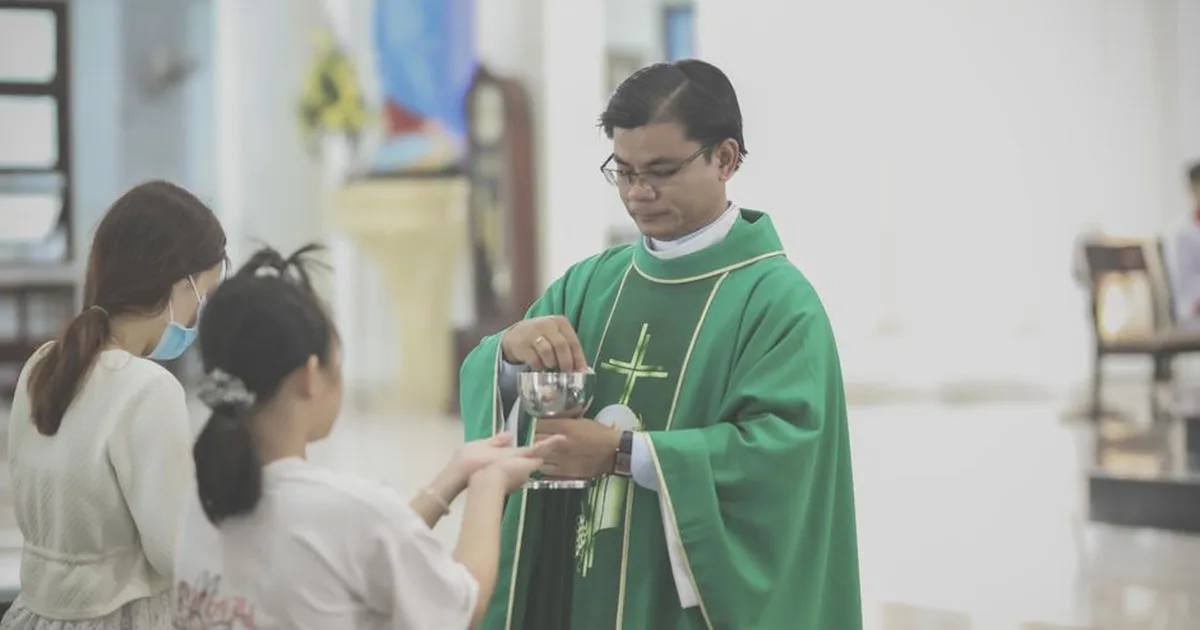
If your child is about to receive this sacrament, you've likely wondered: what are the requirements for First Communion? It's a question filled with love and anticipation, because you want this moment to be special and meaningful. First Communion is not just a beautiful ceremony; it is a profound encounter with Jesus, who invites us to his table. In this article, we'll guide you step by step, with a warm and pastoral approach, so you can prepare your little one with joy and faith.
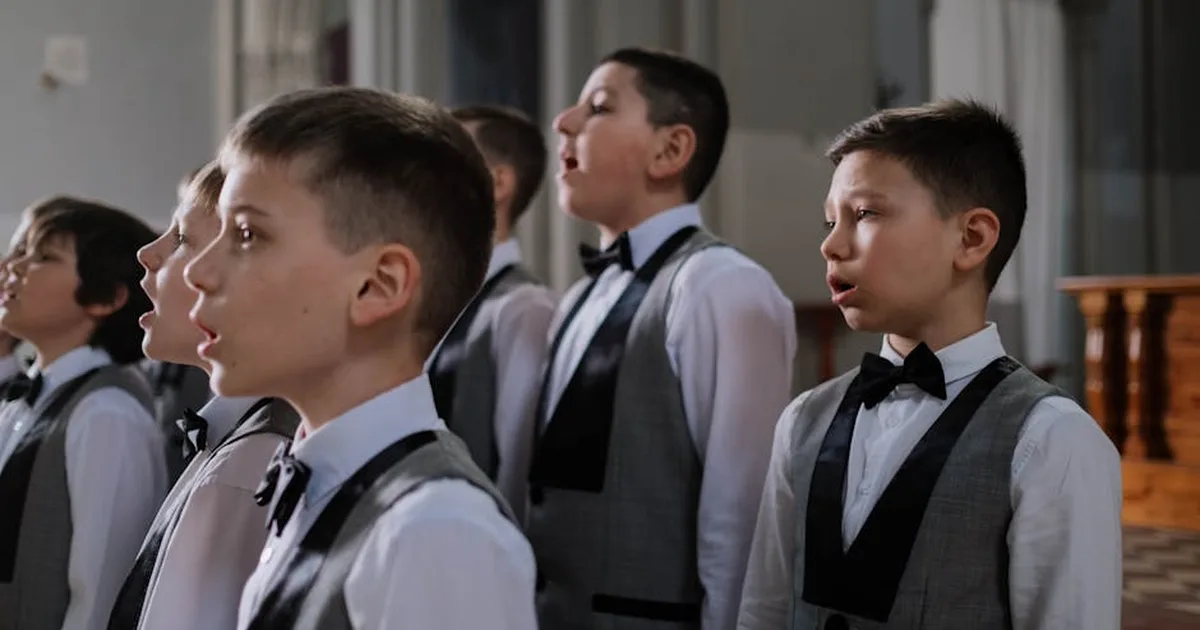
Spiritual Requirements: Preparing the Heart
Before paperwork and classes, the most important thing is the disposition of the heart. The Church teaches that children should have a basic knowledge of God, of Jesus, and of his love for us. It's not about complex theology, but a simple and sincere faith. As Jesus says in the Gospel: "Let the little children come to me, and do not hinder them, for the kingdom of heaven belongs to such as these" (Matthew 19:14, NIV).
Recommended Age
Generally, children receive First Communion around age 7 or 8, when they have reached the age of reason and can distinguish between ordinary bread and the Eucharist. However, each diocese has its own guidelines; it's best to check with your parish. What matters is that the child expresses a desire to receive Jesus and is in a process of catechesis.
Prior Baptism
It is essential that the child is baptized. If not, they must receive baptism before First Communion. Baptism is the gateway to the sacraments. If your child is older and not baptized, don't worry: many parishes offer catechesis for older children or adults who wish to begin their faith journey.
Practical Requirements: Documents and Preparation
In addition to faith, there are concrete steps to follow. Here's what most Latin American parishes typically require.
Enrollment in Parish Catechesis
The first step is to enroll your child in your parish's catechesis program. These courses usually last one or two years, depending on age and knowledge level. During catechesis, children learn about the commandments, the sacraments, prayer, and especially the meaning of the Eucharist. Parents also often have formation meetings, because you are the first educators in faith.
Required Documents
- Child's baptismal certificate (original and copy).
- Baptismal record (if baptized in another parish, request it there).
- Copy of the child's ID (birth certificate, passport, or equivalent).
- Passport-sized photos (usually 2 or 3).
- Proof of enrollment in the catechesis course.
Some parishes also ask for a letter from parents expressing their commitment to support the child in their faith life. Check with your parish for exact requirements, as they may vary slightly.
Mass Attendance and Confession
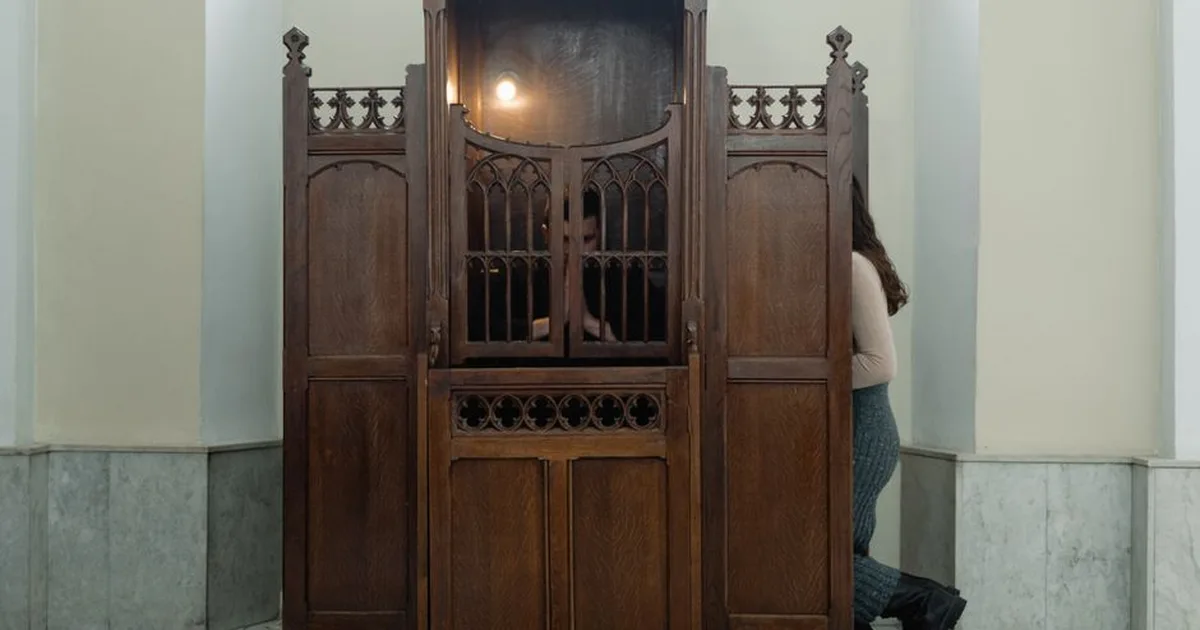
Part of the preparation includes attending Sunday Mass and, for the child, receiving the sacrament of reconciliation (confession) for the first time. This usually happens a few days before Communion. Confession helps the child experience God's forgiveness and prepare inwardly. Encourage them to do a simple examination of conscience with questions like: Have I been obedient? Have I shared? Have I asked for forgiveness?
The Day of First Communion: Practical Tips
The big day has arrived. Beyond external preparations, remember that the focus is the encounter with Jesus. Here are some tips for a peaceful celebration.
Attire and Symbols
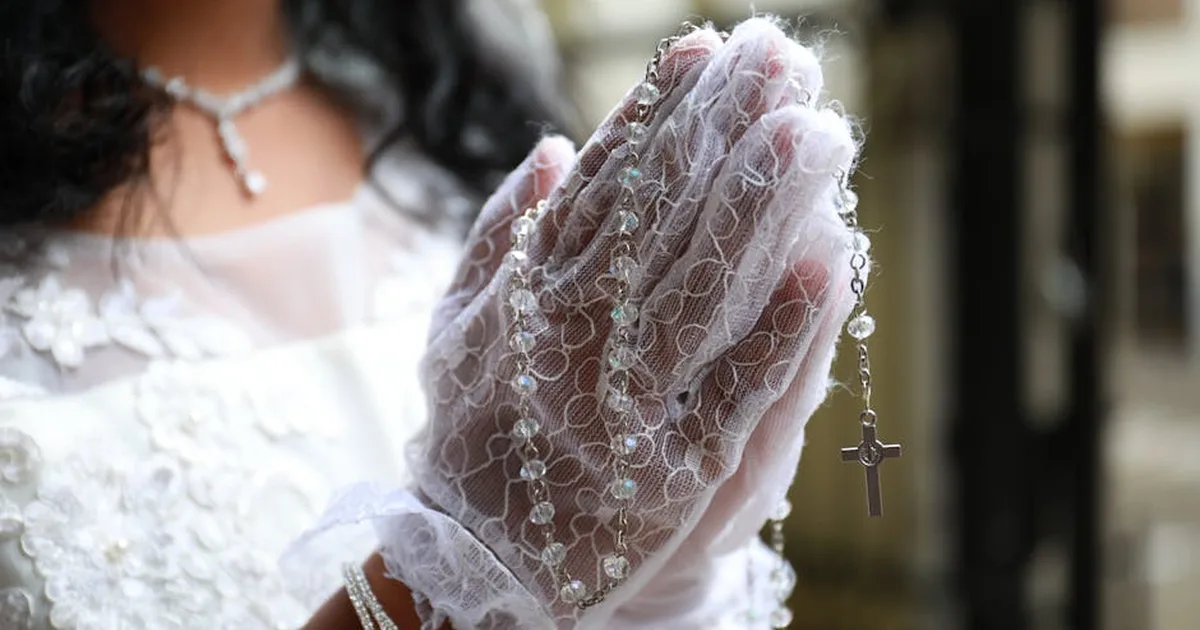
Traditionally, children wear white or light colors, symbolizing purity and joy. Many girls wear a dress similar to a baptismal gown, and boys wear a suit or white shirt. Some parishes also use symbols like a candle or a Bible. The important thing is that the attire reflects the sacredness of the occasion without causing distraction.
On the day, arrive early to avoid rushing. Take a moment to pray together as a family before Mass. After the ceremony, consider a small gathering with family and friends, but keep the focus on the spiritual meaning. The best gift you can give your child is your presence and your witness of faith.
Remember, First Communion is not an end point but a beginning. Continue to nurture your child's faith through regular Mass attendance, family prayer, and conversations about God. This sacrament is a seed that, with care, will grow into a lifelong relationship with Jesus.
May this guide help you walk with confidence and peace. And may your child's First Communion be a day of grace, joy, and profound love. God bless your family!


Comments