
In our Christian journey, we often encounter friends, family members, or even strangers who are facing challenges, celebrating joys, or simply in need of spiritual support. Learning how to pray for someone is one of the most meaningful ways we can express love and solidarity. Whether you're new to intercessory prayer or looking to deepen your practice, this guide offers warm, practical insights to help you lift others up in prayer with confidence and compassion.

Understanding the Heart of Intercessory Prayer
At its core, praying for someone else—often called intercessory prayer—is about standing in the gap for another person. It's an act of love that connects us not only to the person we're praying for but also to God's heart for them. When we learn how to pray for someone, we're participating in a beautiful spiritual practice that has been part of the Christian tradition since its earliest days.
Think of intercessory prayer as a spiritual conversation where you bring another person's needs before God. You're not trying to control outcomes or manipulate circumstances, but rather you're inviting God's presence, wisdom, and healing into a situation. This type of prayer recognizes that while we may not have all the answers or solutions, we know the One who does.
"Therefore confess your sins to each other and pray for each other so that you may be healed. The prayer of a righteous person is powerful and effective."
— James 5:16 (NIV)
Practical Steps for Praying for Others
Listening Before You Pray
Before you begin praying for someone, take time to truly listen to their situation. Ask gentle questions if appropriate, or simply hold space for whatever they're willing to share. Sometimes people need to feel heard before they can receive prayer. This listening posture reflects Jesus' own ministry—He often asked questions and listened before responding to people's needs.
Finding the Right Words
Many people worry about finding the "perfect" words when praying for others. The good news is that God cares more about our hearts than our eloquence. Simple, sincere prayers are often the most powerful. If you're unsure what to pray, you can always start with: "Lord, I bring [person's name] before you. You know their situation better than I do. Please meet them where they are."
Remember that prayer doesn't require special religious language. Talk to God as you would to a trusted friend who loves the person you're praying for. Be specific when you can—praying for peace during a job transition, healing after surgery, or wisdom in a relationship decision—but don't worry if you don't know all the details. God does.
Praying Scripture for Others
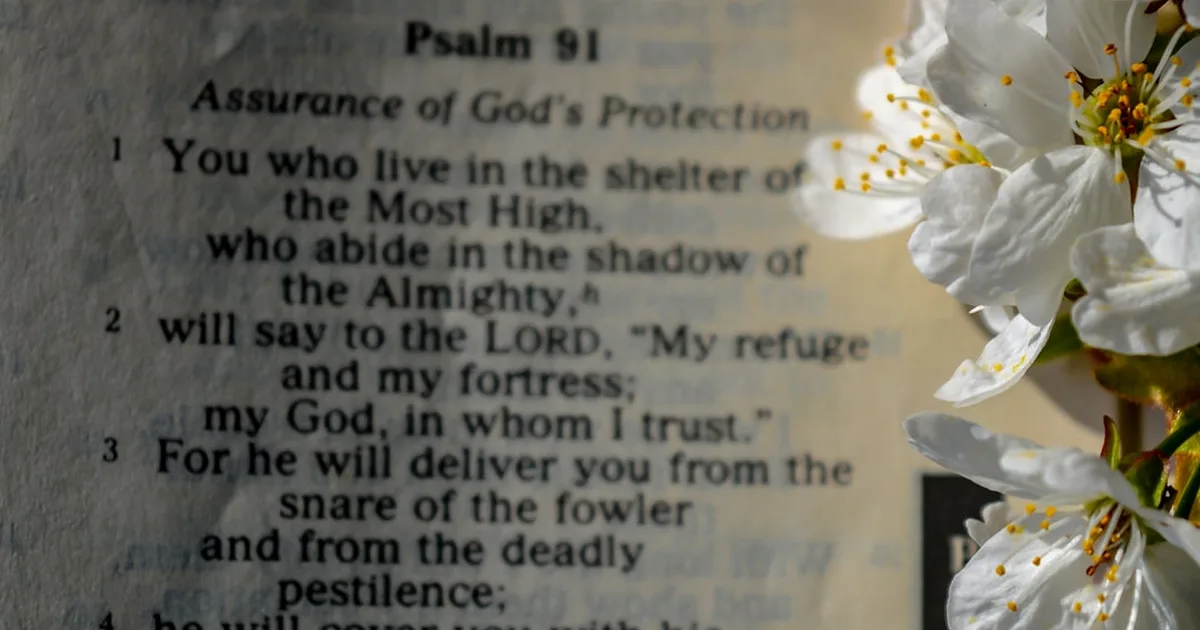
One beautiful way to pray for someone is to use Scripture as your guide. When you're not sure how to pray for someone, turning to God's Word can provide both direction and confidence. For example, you might pray Paul's words from Philippians for a friend going through a difficult season:
"And the peace of God, which transcends all understanding, will guard your hearts and your minds in Christ Jesus."
— Philippians 4:7 (NIV)
You could pray: "Lord, I ask that Your peace, which goes beyond what we can understand, would guard [person's name]'s heart and mind today." This approach aligns your prayers with biblical truths and promises.
Overcoming Common Challenges in Intercessory Prayer
Many Christians encounter similar obstacles when praying for others. You might wonder if your prayers "work" or feel uncertain about praying for someone who hasn't asked for prayer. Sometimes we struggle with consistency—starting strong but forgetting to continue praying over time.
These challenges are normal. Intercessory prayer is a journey of faith, not a performance. When doubts arise, remember that prayer is primarily about relationship—your relationship with God and your care for others. Even brief, simple prayers matter. As we've learned from Christian leaders throughout history, including our current Pope León XIV who emphasizes pastoral care in his ministry, faithful presence in prayer is what truly counts.
If you're praying for someone without their knowledge (which is sometimes appropriate), trust that God honors your loving intentions. If you're struggling with consistency, consider setting a simple reminder or linking your prayer time to a daily habit like your morning coffee or evening walk.
"Likewise the Spirit helps us in our weakness. For we do not know what to pray for as we ought, but the Spirit himself intercedes for us with groanings too deep for words."
— Romans 8:26 (ESV)
Creating a Sustainable Prayer Practice
Developing a habit of praying for others doesn't require hours of dedicated time. What matters most is consistency and sincerity. Here are a few approaches you might consider:
- Prayer Journal: Keep a simple notebook with names and specific requests. Date your entries and note answers to prayer when you see them.
- Prayer Partners: Find a friend who will pray with you regularly, either in person or over the phone.
- Digital Reminders: Use your phone's notes or calendar to remember prayer requests.
- Community Prayer: Participate in your church's prayer ministry or prayer chain.
The key is finding what works for your life and personality. Some people thrive with structure, while others prefer spontaneous prayer. Both are valid expressions of intercessory care.
A Call to Prayerful Community
As we reflect on how to pray for someone, we're reminded that prayer is never just an individual practice—it connects us to the broader Christian community. When we pray for others, we participate in the communion of saints across time and space. We join with believers around the world, including those in our local churches, in lifting one another up.
This communal aspect of prayer has been especially meaningful in recent years as the global Christian community has navigated transitions in leadership while maintaining our shared commitment to prayer. As we continue in this tradition, we remember that every prayer—whether whispered alone or proclaimed in community—matters in God's economy of grace.
This week, consider who in your life might need prayer. It could be a neighbor going through a hard time, a coworker facing a challenge, or a family member celebrating a milestone. Take a moment to lift them up, trusting that your prayers make a difference even when you don't see immediate results.
Reflection Question: Who is one person you feel prompted to pray for today, and what simple prayer could you offer for them right now?



Comments