
Gratitude is one of the most transformative practices in the Christian life. In a world that often pushes us to focus on what we lack, a gratitude devotional invites us to pause and recognize the blessings we already have. God's Word consistently calls us to give thanks, not only for good things but also in the midst of trials. This devotional will guide you through Scripture and practical reflections to cultivate a thankful heart that honors God and brings peace to your life.

Gratitude is not a feeling that arises spontaneously; it is a decision we must make every day. By practicing it, our perspective shifts, and we begin to see God's hand in the smallest details. Whether waking up each morning or facing challenges, giving thanks connects us to the source of all goodness.
Gratitude in the Bible: Biblical Foundations
Scripture is filled with commands and examples of gratitude. In 1 Thessalonians 5:18, Paul instructs us: “Give thanks in all circumstances; for this is God’s will for you in Christ Jesus” (NIV). This verse reminds us that gratitude does not depend on circumstances but on our trust in God's sovereign plan. Even when we don't understand what is happening, we can give thanks because we know He works for our good.
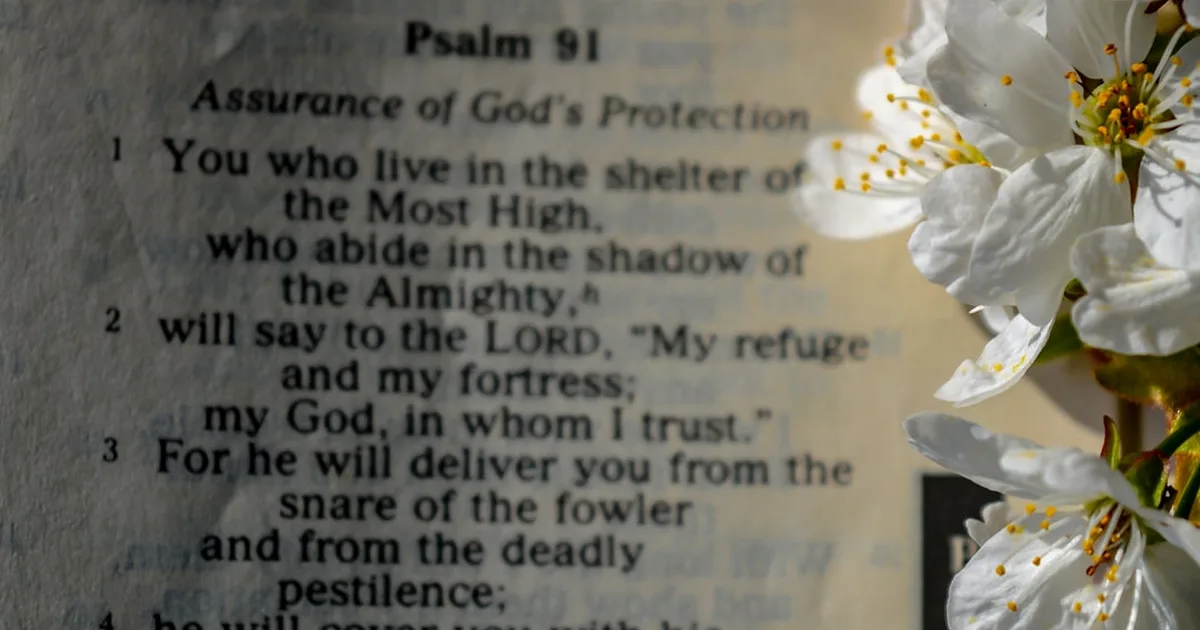
Another key passage is Psalm 100:4: “Enter his gates with thanksgiving and his courts with praise; give thanks to him and praise his name” (NIV). Gratitude is the gateway into God's presence. When we approach Him with a thankful heart, our worship becomes more authentic and our relationship with Him deepens.
The Example of Jesus
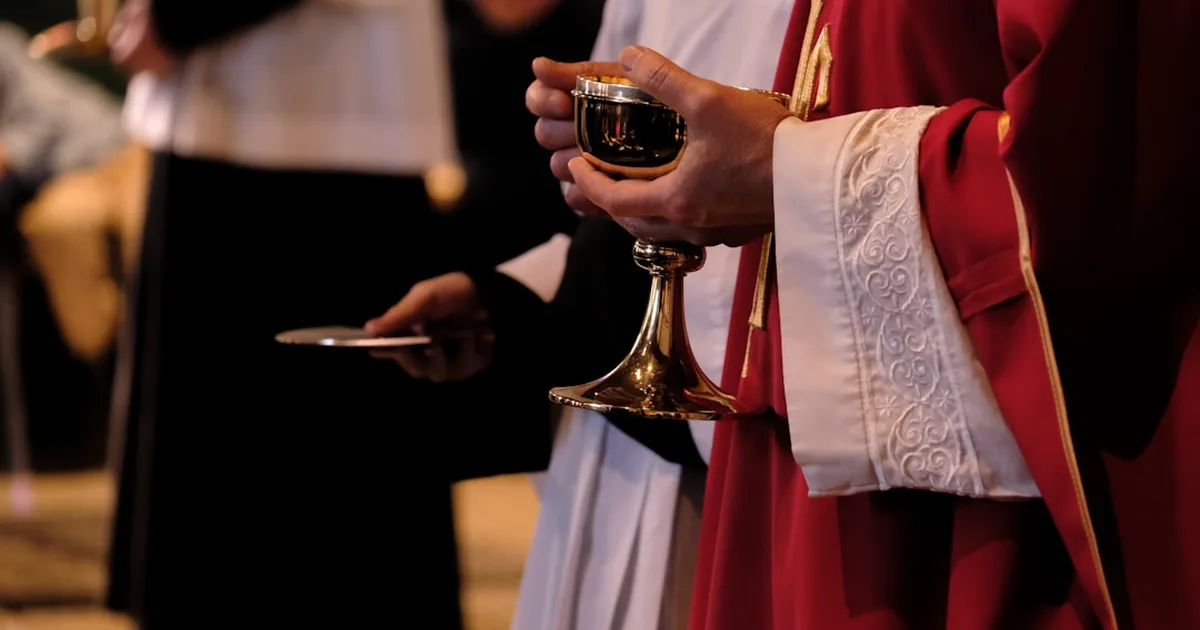
Jesus Himself modeled gratitude. Before multiplying the loaves and fish, He gave thanks (John 6:11). At the Last Supper, He took bread and gave thanks (Luke 22:19). Even in His greatest moment of suffering, Jesus thanked the Father. His example teaches us that gratitude is not only for good times but is an expression of faith in any situation.
How to Practice Gratitude Daily
Incorporating gratitude into your daily routine can transform your perspective and your relationship with God. Here are some practical ways to do so:
- Keep a gratitude journal: Each day, write down three things you are thankful for. They can be big or small: from a warm cup of coffee to a meaningful conversation.
- Begin your prayer with thanksgiving: Before presenting your requests, take a moment to thank God for who He is and what He has done.
- Share your gratitude with others: Express your thanks to the people around you. A simple “thank you” can strengthen relationships and brighten someone's day.
- Meditate on Scripture: Read passages that speak about gratitude and reflect on how to apply them in your life. For example, Psalm 136 repeats “His love endures forever” after every declaration of God's works.
Overcoming Obstacles to Gratitude
Sometimes it is hard to feel grateful, especially when we go through times of pain or disappointment. In those times, gratitude can feel forced. However, the Bible encourages us to offer a “sacrifice of praise” (Hebrews 13:15). This means we choose to give thanks even when we don't feel like it, trusting that God is faithful. Gratitude does not deny pain; it helps us see beyond it.
The Benefits of a Thankful Heart
Gratitude is not only a biblical command but also brings practical benefits. Studies have shown that grateful people experience less stress, better mental health, and stronger relationships. Spiritually, gratitude opens our hearts to receive more of God's grace and aligns us with His will. As we cultivate a thankful heart, we find that peace which surpasses all understanding guards our hearts and minds in Christ Jesus.



Comments